
Bisque Firing and Glaze Firing: What Is the Difference?
Bisque Firing and Glaze Firing: What Is the Difference?
Why ceramic pieces are commonly fired twice and what happens during each firing cycle
Key difference:
Bisque firing prepares the piece for further handling and glazing. During the subsequent glaze firing, the glaze develops its fired surface.
Why are ceramic pieces often fired twice? Would it not be enough to apply the glaze and place the piece in the kiln only once?
The answer relates to how the clay body is handled, how it accepts the glaze and what happens to both materials during heating.
However, the difference cannot be reduced to a simple rule that the first firing always uses a lower temperature and the second a higher one. [1]
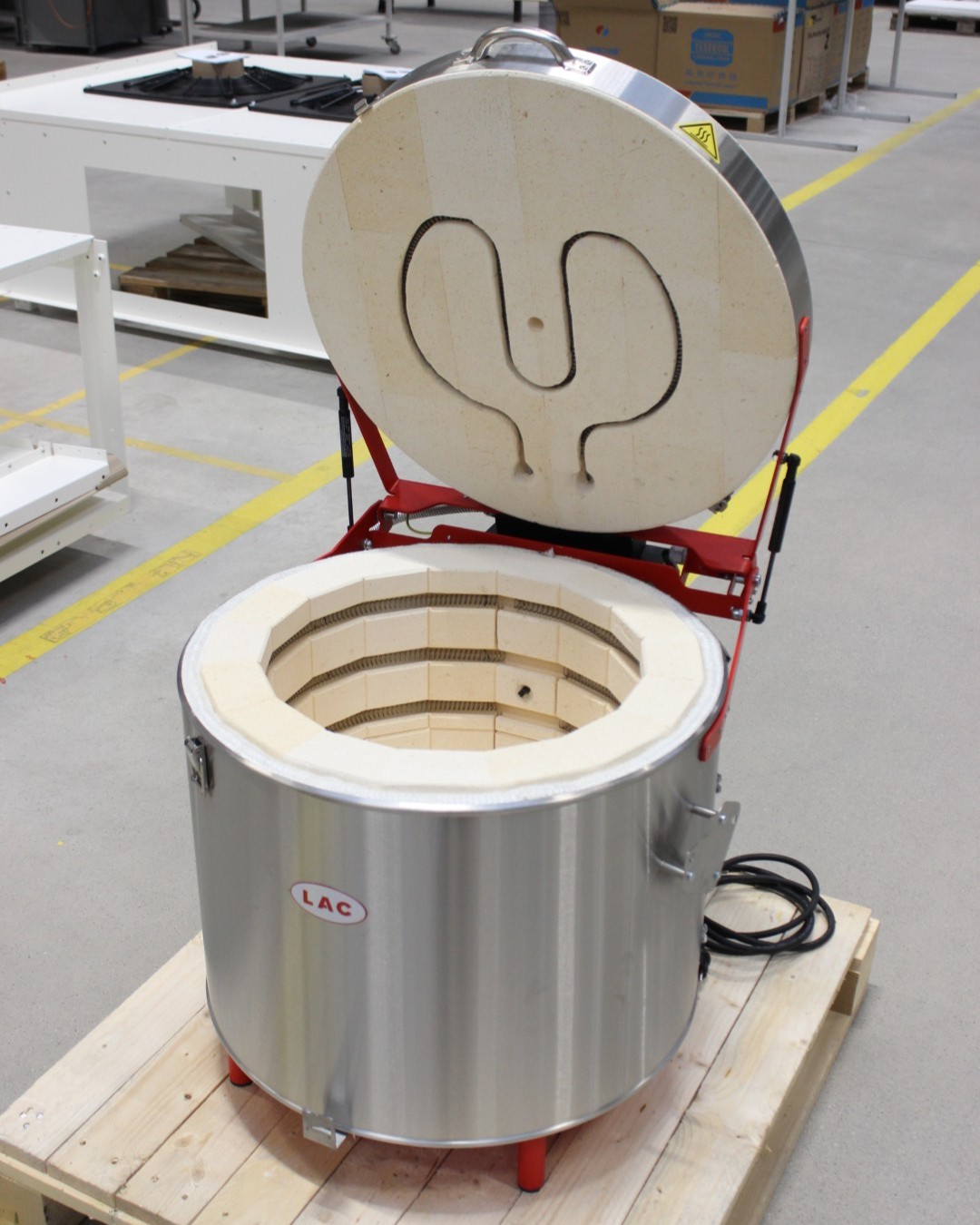
Bisque firing and glaze firing at a glance
The table describes a conventional two-firing process in which the glaze is applied after bisque firing. Other processes are also possible.
| What are we comparing? | Bisque firing | Glaze firing |
|---|---|---|
| What goes into the kiln? | Dry, unfired ceramic pieces | Bisque-fired, glazed and thoroughly dried pieces |
| Main purpose | To strengthen the piece and prepare it for glazing | To produce the fired glaze surface and achieve the required result for the selected process |
| What happens next? | Cooling, inspection and glazing | Cooling and inspection of the result |
Both cycles include cooling
The kiln should be unloaded according to the kiln manufacturer’s instructions and the requirements of the ceramic material, not simply because the programme has ended. [2]
What does bisque firing change, and why does it make glazing easier?
Dry, unfired clay is fragile. Bisque firing transforms it into a stronger ceramic body that is easier to handle.
At the same time, gaseous components produced by changes in the clay body are released. A correctly selected bisque firing therefore also influences the conditions during the subsequent glaze firing.
For conventional glazing, it is important that the bisque-fired body remains sufficiently absorbent. It draws water from the glaze suspension, allowing a layer of glaze to form on the surface.
Bisque firing therefore also prepares the surface for glaze application. [3]
Why the bisque programme affects glazing
Changing the bisque-firing temperature or programme may alter the absorbency of the body and therefore its behaviour during glazing. The same glaze applied in the same way may then form a different layer.
When investigating a change in the final result, consider both firing cycles rather than looking only at the last one. [1]
What happens during glaze firing?
During glaze firing, the glaze layer melts and interacts with the surface of the ceramic body. Its final surface develops as the piece cools.
Depending on the material and process, sintering and densification of the ceramic body may also continue. For conventional stoneware, glaze firing is therefore important for the final properties of both the body and the glaze. [2]
It is not enough for the kiln simply to reach the temperature stated for the glaze. The selected process must also suit the clay body and the intended result. A glaze that looks good on the surface does not by itself confirm that all the required properties of the finished piece have been achieved.
What temperature should you use? Start with the materials
A single bisque-firing temperature and a single glaze-firing temperature cannot be prescribed for every clay body and glaze. The requirements vary according to the body, glaze, application method and intended result.
With stoneware, the bisque firing is usually carried out at a lower temperature than the subsequent glaze firing.
In some low-fire ceramic processes, however, the order may be reversed: the body is first fired at a higher temperature and the glaze is subsequently fired at a lower one.
The second firing is therefore not automatically the hotter firing. [4]
Check the complete material combination
Review the material suppliers’ recommendations for bisque firing, the required glaze-firing conditions and the suitability of the selected combination. If you replace a dipping glaze with a brush-on glaze or begin using a different clay body, do not automatically assume that the previous settings will remain suitable.
Time also plays a role. The heating rate during the final stage and the dwell time affect the overall heatwork of the firing.
Pyrometric cones, such as Orton cones, can be used to assess it. A cone number therefore cannot be converted into one fixed temperature in degrees Celsius without considering the firing conditions. [5]
Between firing cycles: what should you not overlook?
Once the bisque firing has cooled, inspect the pieces and prepare them for application of the selected glaze. If you find a crack or another defect, investigate its cause first.
Glazing is not a substitute for inspecting the bisque-fired piece.
Applying glaze introduces water to the ceramic body again. The glazed piece must therefore be allowed to dry appropriately before the next firing.
When a piece is placed directly on a kiln shelf, glaze must be removed from the contact surface. The extent of the unglazed area and the possible use of stilts or other supports depend on the glaze, firing process and kiln furniture. [6]
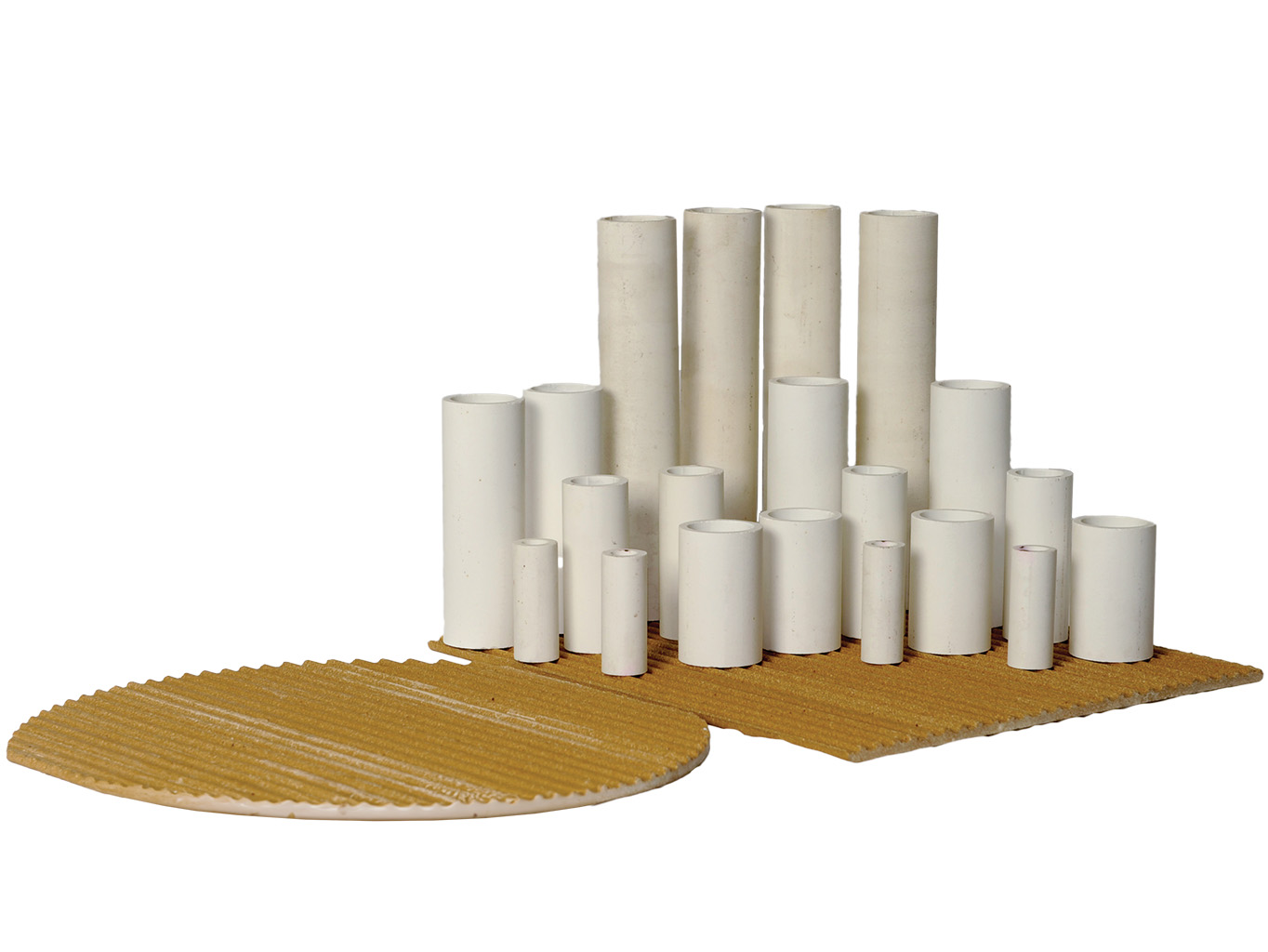
Allow for two separate firing cycles, the work required between them and cooling after each cycle.
Do not take the exact duration from someone else’s video; base your planning on verified records from your own firing cycles.
Can bisque firing be omitted?
Yes. A single-firing process is possible, in which glaze is applied to an unfired piece and the ceramic body and glaze are fired in one cycle.
Single firing requires a coordinated process
This is not simply a matter of deleting the first programme. The clay body, glaze, application method, drying process and firing schedule must all be coordinated. Gases released from the body may affect the glaze as it develops.
Any change to the process should therefore be discussed with a specialist and verified through testing. [7]
Two firings are not necessarily the final number required for every ceramic product either. Some decorations, including lustres and overglaze colours, may require an additional firing in accordance with the manufacturer’s instructions. [2]
Do you need a different kiln for each firing?
Both cycles can be carried out in one appropriately selected kiln, provided that its operating conditions, controller and equipment are suitable for both processes.
When choosing a kiln, describe both your bisque and glaze firings, including the required temperatures and frequency of use.
For example, LAC specifies a maximum temperature of 1320 °C for the M series, while its recommended operating temperature range is 700–1250 °C.
Maximum and operating temperatures are not interchangeable
If you intend to fire regularly above the recommended range, the suitability of the selected model should be discussed with the supplier. The maximum temperature alone does not confirm that the kiln is suitable for this type of regular operation. [8]
What to prepare before requesting a consultation
Prepare answers to these four questions:
- Which specific clay bodies and glazes will you use?
- Which bisque and subsequent glaze-firing conditions do their suppliers recommend?
- How large are the pieces and how many do you need to fire?
- How many individual firing cycles must your studio complete each week?
Explore LAC ceramic kilns and controllers
Compare ceramic kilns and controller configurations for bisque firing, glaze firing and other ceramic processes.
👉 Explore LAC kilns and controllers
👉 View the complete range of LAC ceramic and fusing furnaces
Are you choosing a ceramic kiln?
Send us information about your materials, products and both planned firing cycles. We will help you assess a suitable size, temperature configuration and controller for your LAC kiln.
What to remember
Bisque firing and glaze firing have different purposes, but both contribute to the final result.
Choose both firing processes according to the particular clay body, glaze and intended result — not according to a universal temperature rule.