
How to Match Ceramic Clay, Glaze and Firing Temperature
How to Match Ceramic Clay, Glaze and Firing Temperature
Why an overlapping firing range is only the first step when selecting a clay-and-glaze combination
Key insight:
The clay body, glaze and firing schedule must work together. Matching temperature ranges alone do not confirm that the complete combination will produce the required result.
You select a clay body, choose a glaze in your favourite colour and set the kiln according to the temperature stated on the container. Yet the result may still fail to meet your expectations.
What should you check before glazing an entire load with a new combination?
Overlapping firing ranges are the first useful indication, but they do not confirm that the glaze will be free from defects on the selected body or that the finished piece will achieve the properties you require. [3]
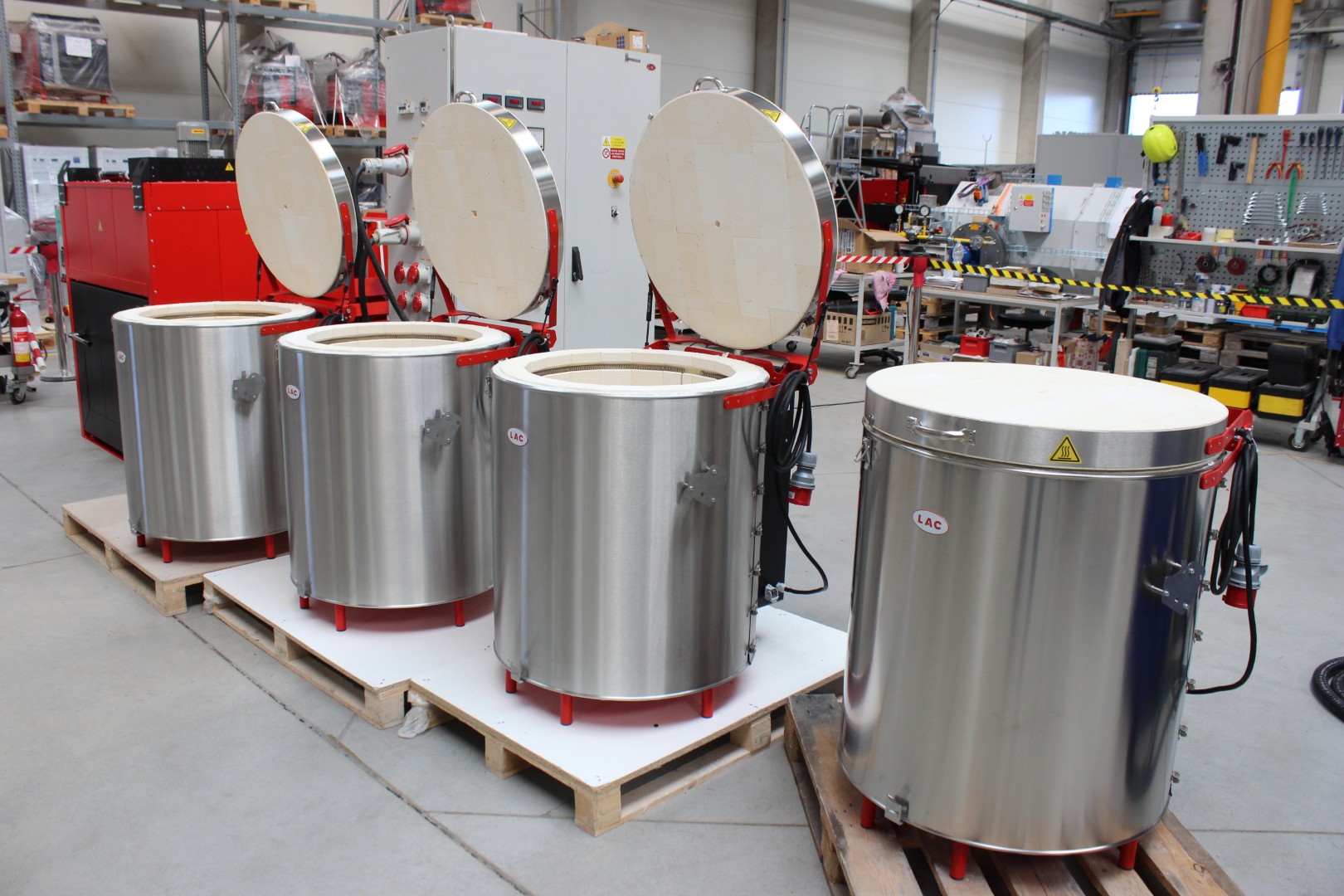
Start with the intended use of the finished piece
A hanging decoration, a mug and a large bowl have different requirements. Begin by defining the intended use and then select the materials.
What to check before combining the materials
- Clay body: exact designation, suitable forming methods, recommended firing conditions and properties of the fired body
- Glaze: application instructions, firing conditions and intended use of the finished surface
- Finished product: its purpose and the functional properties it must achieve
- Firing process: bisque firing, glaze firing, application method and any established programme requirements
If information is missing, ask the supplier a specific question: “Is this glaze suitable for clay body XY, using our firing process, for this particular product?”
The answer will be more useful than a general recommendation for a glaze described simply as “suitable for ceramics”.
A firing range does not mean identical properties throughout the range
A clay body fired at different temperatures may not have the same water absorption or shrinkage.
When reading a technical data sheet, therefore, check the temperature to which each value applies. Water absorption is not a fixed property of the clay body independent of how it is processed.
For example, the manufacturer Goerg & Schneider provides the following values for clay body 254:
| Firing temperature | Water absorption | Firing shrinkage |
|---|---|---|
| 1070 °C | 9% | 3% |
| 1240 °C | 0.4% | 7% |
How to interpret the example
These are the manufacturer’s figures for one particular clay body. They are not measurements taken by LAC and do not apply to every ceramic clay. In this case, firing shrinkage does not mean total shrinkage including the drying stage. [1]
This example demonstrates why the description “stoneware clay” alone is not sufficient. For your intended firing, you need to know which properties the fired body will actually have.
A higher temperature should not automatically be considered the better option. The selected firing must remain within the conditions recommended for the materials being used.
Why the same firing temperature does not guarantee a compatible combination
After firing, the glaze and ceramic body are firmly bonded together. During temperature changes, however, they may not expand and contract at the same rate.
If their thermal expansion characteristics are not properly matched, stresses and defects may develop.
Typical signs of incompatibility:
- A fine network of cracks in the glaze
- Glaze shivering or flaking, particularly around edges
- Defects that only become visible some time after unloading the kiln
These effects are not the same as shrinkage of the clay body during drying or sintering.
Assess every new combination as a complete system.
A glaze that works successfully on one clay body is not guaranteed to produce the same result on another. If defects occur repeatedly, discuss the compatibility of the two materials with their suppliers.
Simply extending the dwell time may not resolve an incompatibility between the body and glaze. [3]
The same final temperature does not always mean the same firing
Both temperature and time contribute to the heatwork of a firing. Two programmes with the same maximum temperature but different final heating rates or dwell times are therefore not automatically equivalent.
Temperature and time work together
Pyrometric cones, such as Orton cones, can be used to assess heatwork. A cone number cannot be converted into one fixed temperature without considering the other firing conditions. [4]
The appearance of a glaze may also be affected by the particular clay body, application thickness and firing atmosphere.
A manufacturer’s colour sample should therefore be viewed together with information about how it was prepared. A result produced using a different material or firing method may not be reproduced in your kiln simply by setting the same temperature. [2]
Do not overlook the bisque firing and application method
When glaze is conventionally applied after bisque firing, the absorbency of the body matters because it draws water from the glaze suspension.
Glazes intended for dipping may also have a different composition from brush-on products. Brush-on glazes, for example, may contain binders that help the layer adhere even to a less absorbent surface.
Follow the instructions for the particular product rather than relying on a universal number of coats or a single dilution ratio. [5]
Layered glaze combinations should also be tested separately. The properties of each individual glaze cannot automatically be transferred to a combination.
Mayco specifically warns that food-contact suitability and suitability for dinnerware should not be assumed for layered glaze combinations without appropriate verification. [6]
Test a small sample before glazing the entire load
Prepare clearly labelled test pieces using the same clay body as your finished products. For a useful comparison, your studio can follow this procedure:
- Record the initial conditions. Note the clay body and glaze designations, batch numbers, bisque firing, application method and planned glaze firing.
- Compare one change at a time. For example, test two permitted application thicknesses using the same programme. Do not change the clay body, glaze layers and firing schedule simultaneously.
- Test a relevant surface. If the finished product will be a relief-decorated bowl, supplement a smooth test tile with the shape or surface texture that will actually be used.
- Keep both the sample and the records. Note the actual firing schedule, the position of the sample in the kiln and the result. Photographs will also help during any later consultation.
After cooling, examine the colour, opacity, running, crazing, shivering and any other defects.
A successful small test provides a basis for further verification on the finished product; it does not guarantee all of its functional properties.
An attractive surface does not prove food-contact suitability
For dinnerware, check the glaze manufacturer’s conditions of use and the verification required for the finished product. A visual colour test does not replace an assessment of chemical durability or any testing necessary for the intended use. [7]
What does this mean when choosing a LAC kiln?
Choose the kiln according to the firing processes required by your materials. Prepare their technical data sheets, required temperatures, established firing programmes, product dimensions and expected firing frequency.
If you already own a kiln, verify its suitability before switching to materials with more demanding requirements.
The LAC M series has a stated maximum temperature of 1320 °C and a recommended operating temperature range of 700–1250 °C.
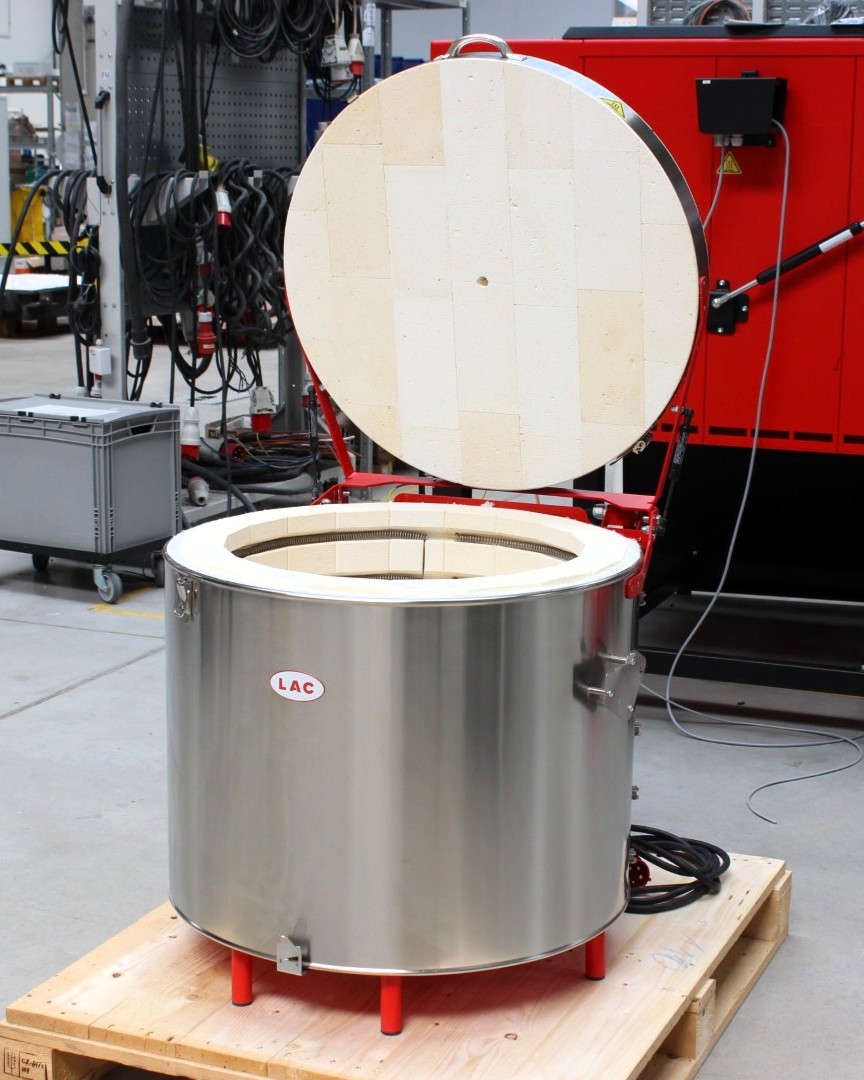
Maximum and operating temperatures are not interchangeable
If your material combination requires regular firing above the recommended operating range, have the suitability of the selected model assessed. The maximum temperature alone does not confirm that the kiln is suitable for such regular operation. [8]
Explore LAC ceramic kilns and controllers
Compare ceramic kilns and controller configurations for different clay bodies, glazes and firing processes.
👉 Explore LAC kilns and controllers
👉 View the complete range of LAC ceramic and fusing furnaces
A useful kiln specification starts with the materials and the result you need to achieve.
Send us information about your planned firing processes, material requirements, product dimensions and expected firing frequency.
👉 Contact us and we will help you select a suitable LAC kiln and controller.
What to remember
Matching firing ranges are only the starting point when combining ceramic clay and glaze.
Assess the clay body, glaze, application method, complete firing schedule and intended use as one connected system — and test every new combination before using it for an entire load.