
Industrial furnaces
Find the right furnace category for your heat treatment, melting, drying or additive manufacturing process.
Ovens
up to 450 °C
For drying, preheating, curing and low-temperature heat treatment applications.
%20chamber%20dryer%20up%20to%20450%20%C2%B0C%20LAC.jpg) View →
View →Forced Convection Furnaces
up to 850 °C
For uniform heat treatment, tempering, annealing and artificial ageing.
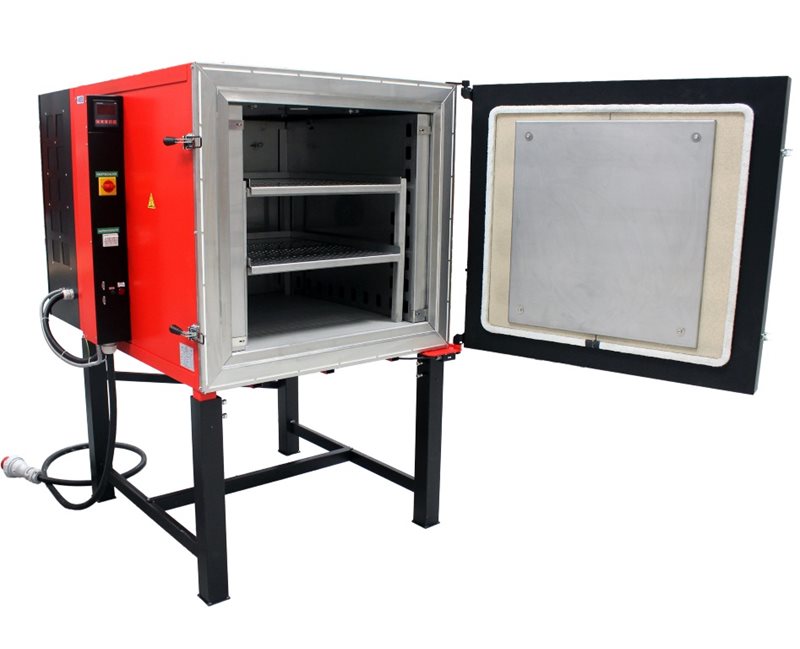 View →
Furnaces with Radiant Heating
up to 1280 °C
For high-temperature heat treatment, hardening, annealing and heavy workloads.
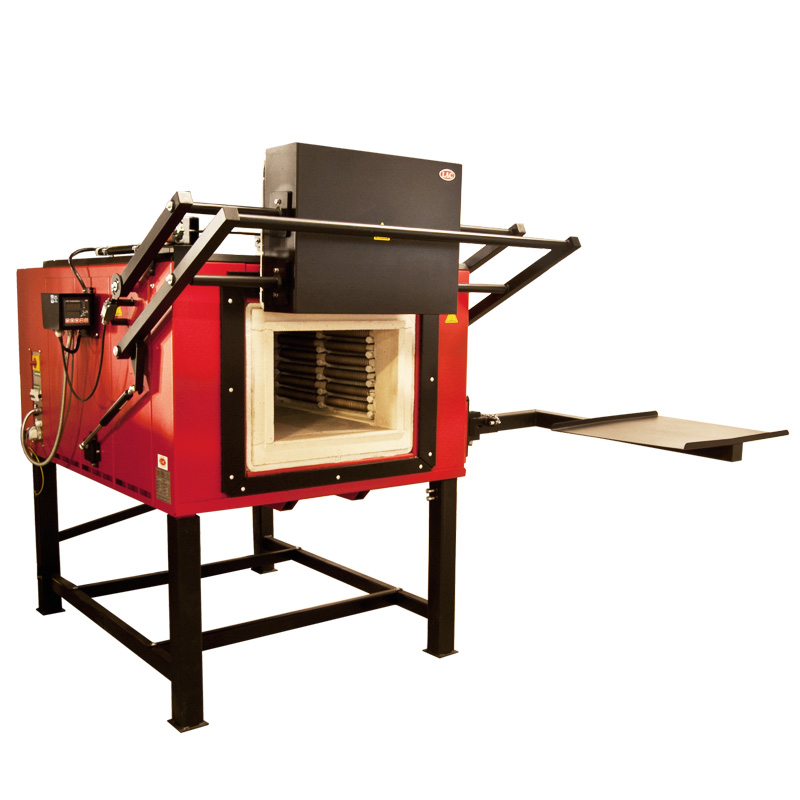 View →
Hot Wall Retort Furnaces
up to 950 °C
For heat treatment in controlled atmospheres with reduced oxidation and scaling.
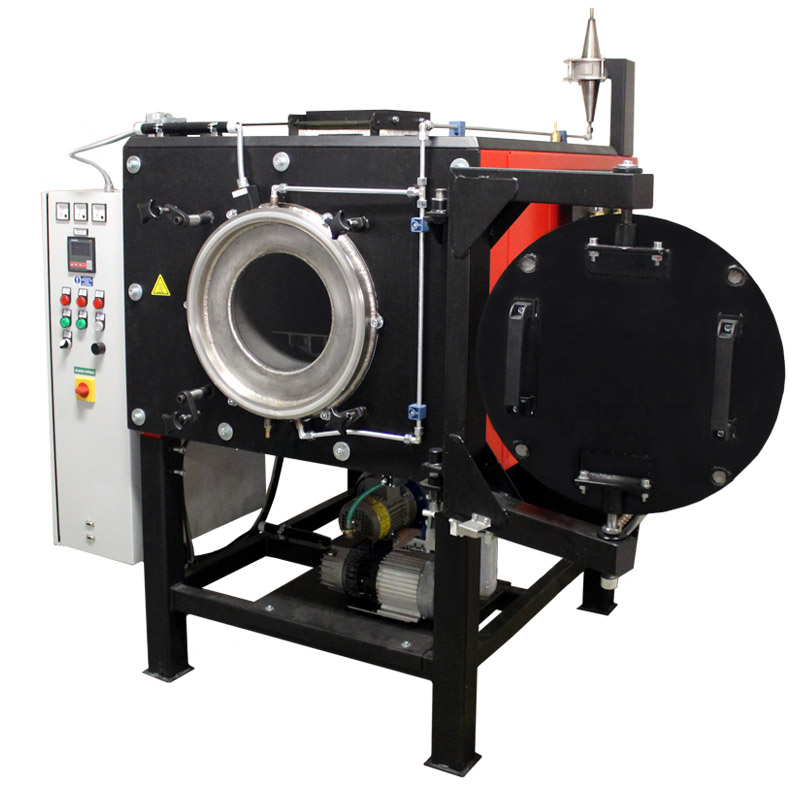 View →
Quench and Temper Plants
up to 1200 °C
For quenching, tempering, controlled cooling and complete heat treatment workflows.
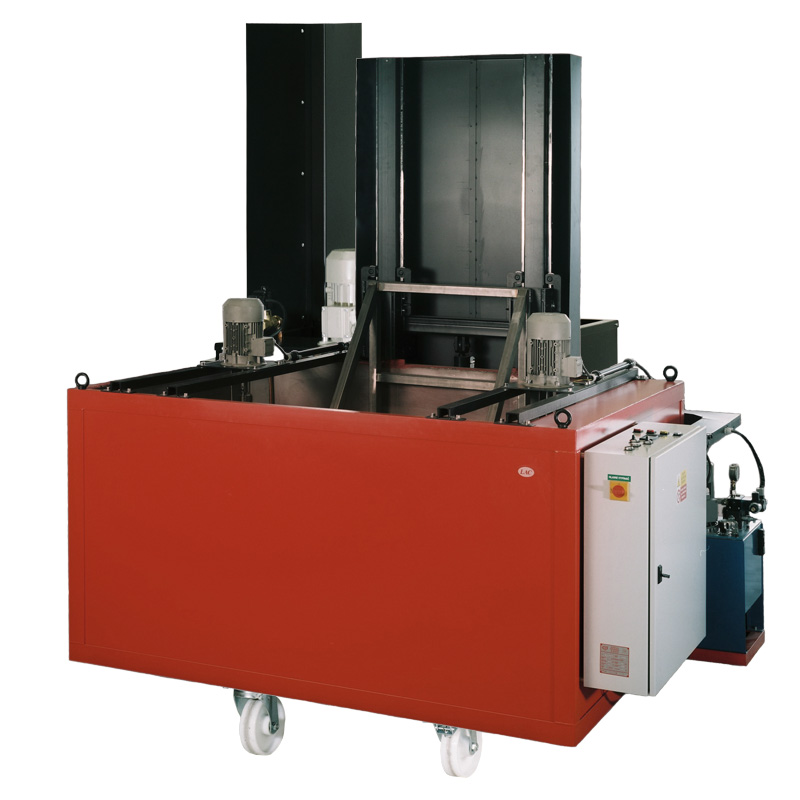 View →
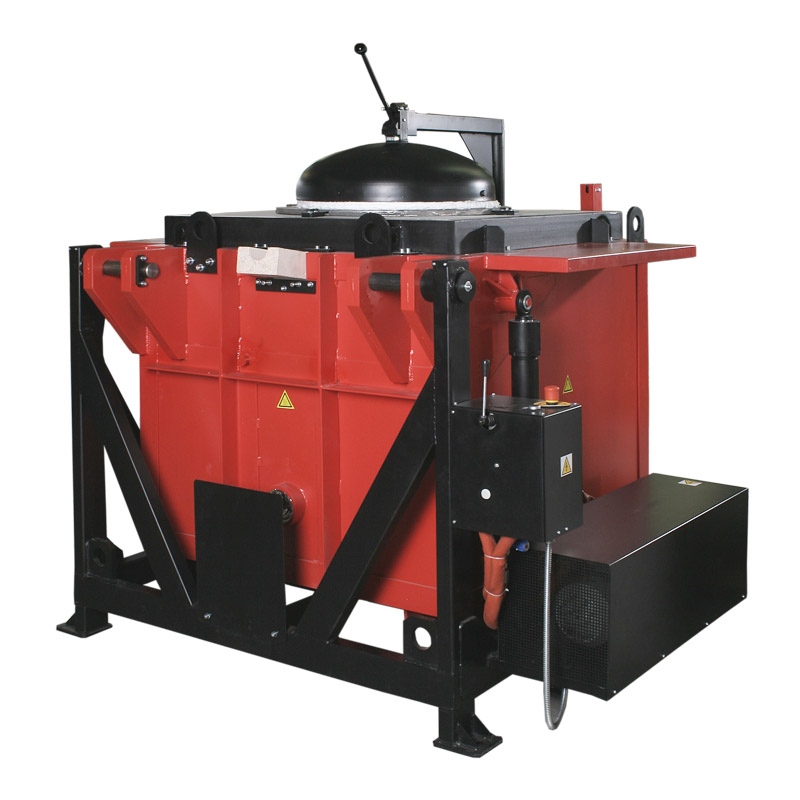
Holding and Melting Furnaces
up to 1200 °C
For melting, holding and transporting aluminium melts in casting processes.
 View →
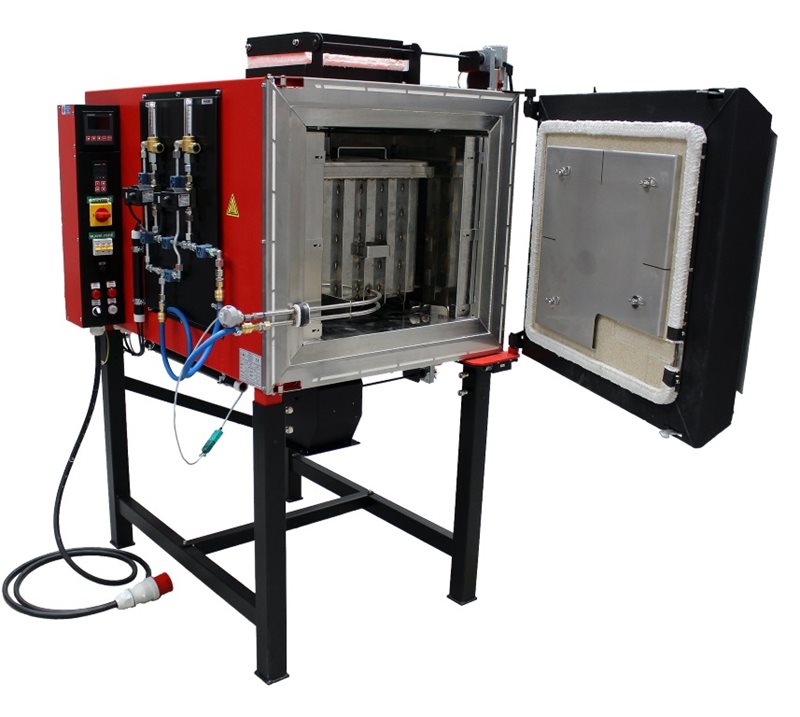
Additive Manufacturing
up to 850 °C
For stress relieving and heat treatment of metal 3D printed parts.
 View →
Ovens with Safety Technology EN 1539
up to 300 °C
For drying and curing processes involving flammable solvent vapours.
%20chamber%20dryer%20for%20batches%20releasing%20flammable%20substances%20up%20to%20300%20C%20closed%20LAC.jpg) View →
View →Packaging Technology
up to 135 °C
For heat shrink packaging, transport protection and industrial product wrapping.
%20Heat-shrink-wrap-chamber.jpg) View →
View →


_chamber_dryer_for_batches_releasing_flammable_substances_up_to_300_c_closed_lac.jpg)
_heat-shrink-wrap-chamber.jpg)
Product sorting
List of products


What are industrial furnaces?
Industrial furnaces are used whenever materials need to be heated under precisely controlled conditions. Depending on the application, they are used for drying, curing, preheating, heat treatment, melting, holding, quenching or additive manufacturing post-processing.
Choosing the right furnace starts with understanding your process. The required temperature, material, load size, production volume, heating technology and process atmosphere all determine which furnace category is the most suitable.
Typical applications
- Drying, curing and preheating
- Heat treatment of ferrous and non-ferrous metals
- Annealing, tempering and stress relieving
- Hardening and quenching
- Aluminium melting, holding and transport
- Controlled atmosphere heat treatment
- Additive manufacturing post-processing
- Heat shrink packaging and industrial product wrapping
How to choose an industrial furnace
- Process type – drying, curing, heat treatment, melting, quenching or additive manufacturing
- Maximum operating temperature – according to your material and process
- Heating technology – forced convection, radiant heating or protective atmosphere
- Load size and weight – chamber dimensions, loading method and load capacity
- Temperature uniformity – especially important for repeatable heat treatment results
- Safety requirements – for example solvent vapours, protective atmosphere or process documentation
Industrial furnace categories
- Ovens up to 450 °C – for drying, curing, preheating and low-temperature processes
- Forced Convection Furnaces up to 850 °C – for uniform heat treatment with forced air circulation
- Furnaces with Radiant Heating – for high-temperature heat treatment and heavy workloads
- Hot Wall Retort Furnaces – for controlled atmosphere heat treatment
- Quench and Temper Plants – for quenching, tempering and complete heat treatment workflows
- Holding and Melting Furnaces – for melting, holding and transporting aluminium melts
- Additive Manufacturing – for post-processing of metal 3D printed parts
- Ovens with Safety Technology EN 1539 – for processes involving flammable solvent vapours
- Packaging Technology – for heat shrink packaging and product protection
FAQ
How do I choose the right industrial furnace?
Start with your process: required temperature, material, batch size, production volume, heating method and atmosphere requirements. These parameters determine whether you need a low-temperature oven, forced convection furnace, radiant heating furnace, retort furnace, melting furnace or complete heat treatment system.
What is the difference between forced convection and radiant heating?
Forced convection furnaces use air circulation for very uniform temperature distribution, especially at lower and medium temperatures. Radiant heating furnaces are typically used for higher-temperature heat treatment where heat is transferred mainly by radiation.
Can LAC design a custom industrial furnace?
Yes, LAC supplies both standard industrial furnace series and custom-engineered solutions tailored to specific production processes, load dimensions, handling systems and control requirements.
- Wide portfolio of industrial furnaces, dryers and heat treatment systems
- Standard furnace series and fully customized industrial solutions
- Experience with demanding industrial applications and process requirements
- Technical support, commissioning and long-term service
Contact us and our specialists will help you choose the right furnace technology for your application.