
Tmax Is Not the Operating Temperature: How to Choose the Right Temperature Range for a Laboratory Furnace
Tmax Is Not the Operating Temperature: How to Choose the Right Temperature Range for a Laboratory Furnace
Why maximum temperature alone is not enough when selecting a laboratory furnace
Key insight:
Tmax is the maximum temperature of the equipment. It is not automatically a temperature suitable for regular or prolonged operation.
You need to heat samples regularly to 1,100 °C. Will a laboratory furnace with a maximum temperature of 1,100 °C be sufficient?
Probably not.
When choosing a furnace, the recommended working temperature range of the specific model is more important.
Even that range is not the only information you need. Holding time, frequency of use, load size, heating rate and the required temperature of the sample itself also matter.
Let us look at the different temperature specifications and what they mean.
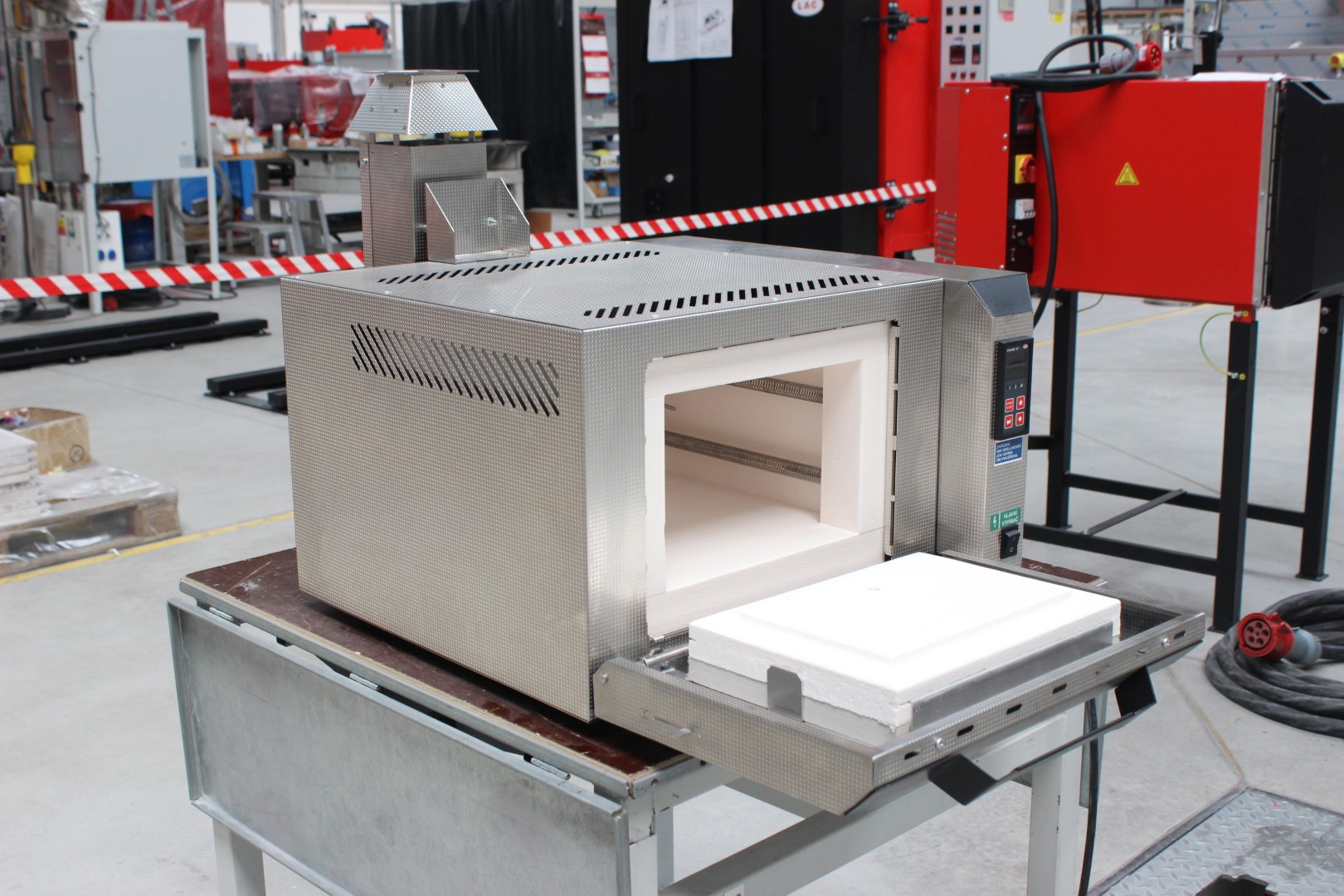
What does Tmax mean?
Tmax is the highest temperature for which the equipment is designed. It is often indicated in the furnace model designation.
Examples of LAC model designations:
- LE 05/11 denotes a laboratory furnace with a chamber volume of approximately 5 litres and a Tmax of 1,100 °C
- LMH 07/12 denotes a horizontal muffle furnace with a chamber volume of approximately 7 litres and a Tmax of 1,200 °C
- LT 50/500/13 is a tube furnace with a 50 mm tube bore, a 500 mm heated length and a Tmax of 1,300 °C
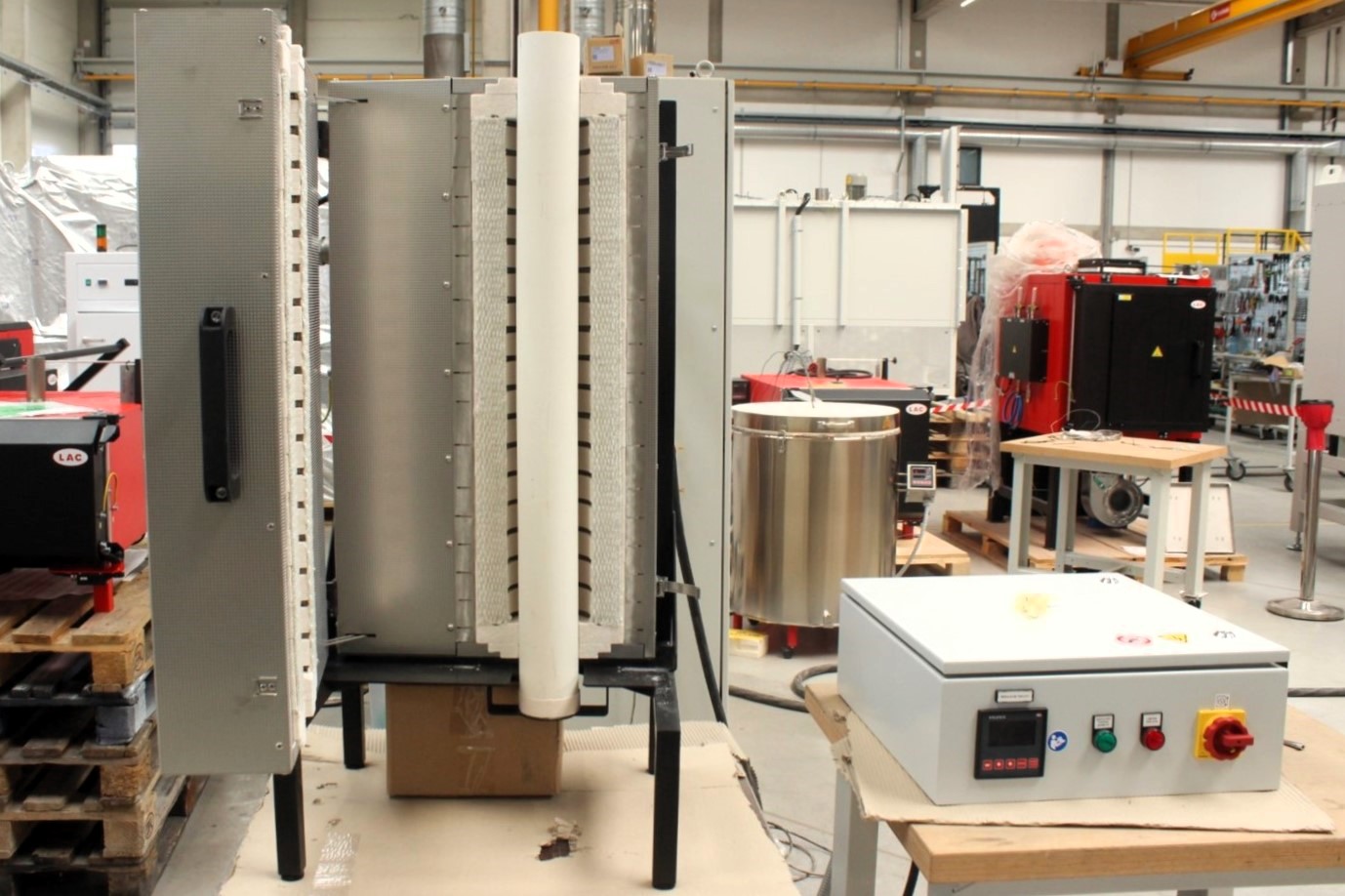
The abbreviated figure in the model name is only an initial guide. It does not tell you whether the furnace can operate at that temperature for prolonged periods, how quickly it will reach the temperature or what the temperature inside the sample will be.
Some LAC datasheets therefore explicitly state that Tmax is the maximum temperature and that the furnace must not be operated at this temperature continuously.
Why should you avoid choosing a furnace too close to the required temperature?
Imagine that your process runs at 1,100 °C and one cycle lasts several hours. A furnace with a Tmax of 1,100 °C would have to remain at its upper temperature limit throughout the hold.
This may not correspond to the operating conditions for which it was designed.
It is better to select a model whose recommended working temperature range covers both the required temperature and the intended operating mode.
Depending on the design and process, operation close to Tmax can place greater demands on:
- Heating elements
- Insulation
- The ceramic muffle
- The thermocouple
- Other parts of the working space
This does not mean that every laboratory furnace requires the same temperature margin. Furnaces differ in their heating elements, insulation and overall construction.
Example: LHS high-temperature furnaces
The LHS datasheet states that its SiC heating rods are capable of continuous operation close to the maximum furnace temperature. For models with a Tmax of 1,500 °C, the specified continuous operating temperature is 1,450 °C. This is a much smaller difference than for series in which there is a wider margin between Tmax and the long-term operating temperature.
That is why one rule should not be applied to every furnace.
Does the “Tmax minus 100 °C” rule apply?
You may encounter a recommendation that the operating temperature should be 100 °C below Tmax.
For some furnace series, this corresponds to the difference between the published values. It cannot, however, be treated as a universal rule.
| Furnace series | Tmax | Published operating value | Difference from Tmax |
|---|---|---|---|
| LZ ashing furnaces | 1,200 °C | Recommended working range up to 1,050 °C | 150 °C |
| LHS 08/15 and LHS 15/15 | 1,500 °C | Continuous operating temperature 1,450 °C | 50 °C |
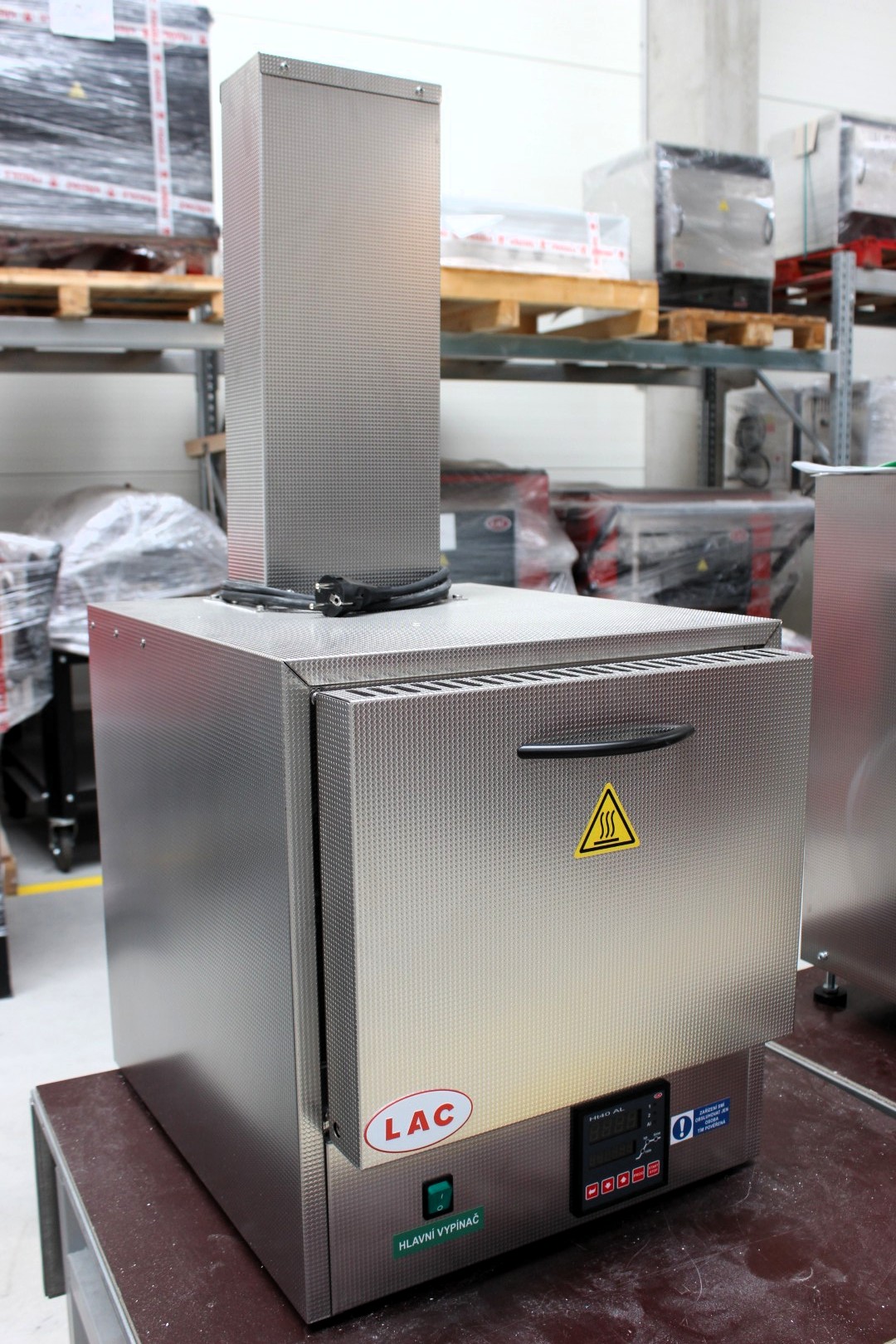
Both sets of values can be correct because they relate to different furnace designs and types of heating element.
The practical conclusion is simple:
Do not automatically subtract a fixed number from Tmax. Follow the recommended working temperature range of the particular model.
What is the recommended working temperature range?
The recommended working temperature range defines the temperatures for which a specific model is intended during normal operation. The temperature at which your process runs should fall within this range.
Both the upper and lower limits matter.
A laboratory furnace designed for high temperatures may not be the best choice for a process that runs at a substantially lower temperature.
The control system, thermocouple, heating-element output and working-space design are selected with a particular field of application in mind.
If your process covers a wide temperature range, state both the lowest and highest operating temperatures in your enquiry. A furnace specialist can then assess whether one model is suitable for the entire process or whether a different solution would be more appropriate.
The highest temperature alone is not enough
Two customers may require the same operating temperature but need different furnaces.
The maximum required temperature is the same. The demands placed on the equipment are not.
When selecting a furnace, describe the complete cycle:
- Starting temperature
- Individual ramps
- Operating temperatures
- Holding times
- Cooling method
- Number of cycles per day or week
You do not need to use specialist notation. For an initial assessment, a simple description is sufficient:
“The furnace should heat to 950 °C within two hours, remain at this temperature for three hours and then cool naturally. The process will run once a day.”
This description is far more useful for furnace selection than simply stating: “We need 950 °C.”
The setpoint is not automatically the sample temperature
You set the controller to 800 °C. Does this mean that the sample itself is exactly 800 °C at the same moment?
Not necessarily.
The controller works with a value measured by a thermocouple positioned at a particular point in the furnace.
The sample temperature may respond with a delay depending on:
- The sample material and weight
- Its shape and dimensions
- How it is positioned
- The container or fixture used
- The heating rate
- Its position within the working space
- The quantity of other samples in the furnace
As a rule, the larger and heavier the load, the longer it takes for its temperature to follow the temperature of the furnace atmosphere.
If your process requires the sample itself to remain at a specified temperature for a defined period, the cycle may need to be verified in practice or supplemented by additional temperature measurement. The value shown on the controller display may not be sufficient on its own.
Control accuracy is not the same as temperature distribution
Three different characteristics are often confused when choosing a furnace:
| Term | What it describes |
|---|---|
| Measurement and control accuracy | How the system measures temperature at the control thermocouple and responds to a deviation from the setpoint |
| Temperature stability | How the temperature at a particular point changes over time |
| Temperature distribution | How the temperature differs between locations within the working space |
A precise controller does not, by itself, guarantee the same temperature at every point in the chamber.
If temperature distribution is critical, specify:
- The permitted temperature deviation
- The size of the space over which it must be maintained
- The operating temperature at which the requirement applies
- Whether the measurement is to be performed in an empty or loaded furnace
Without these conditions, a temperature-uniformity figure alone does not provide enough meaningful information.
How does the load affect the time required to reach temperature?
Published heating-rate data usually relates to specific measurement conditions. The actual cycle may be different, particularly when a heavy or bulky load is placed in the furnace.
The actual heating time may be affected by:
- The initial temperature of the sample
- Its weight and heat capacity
- The quantity of containers and shelves used
- How fully the working space is loaded
- Opening the door during the cycle
- The required supply of fresh air
A high fresh-air flow can affect thermal conditions differently from a more enclosed working space. This is why LZ ashing furnaces preheat the incoming air before it enters the chamber.
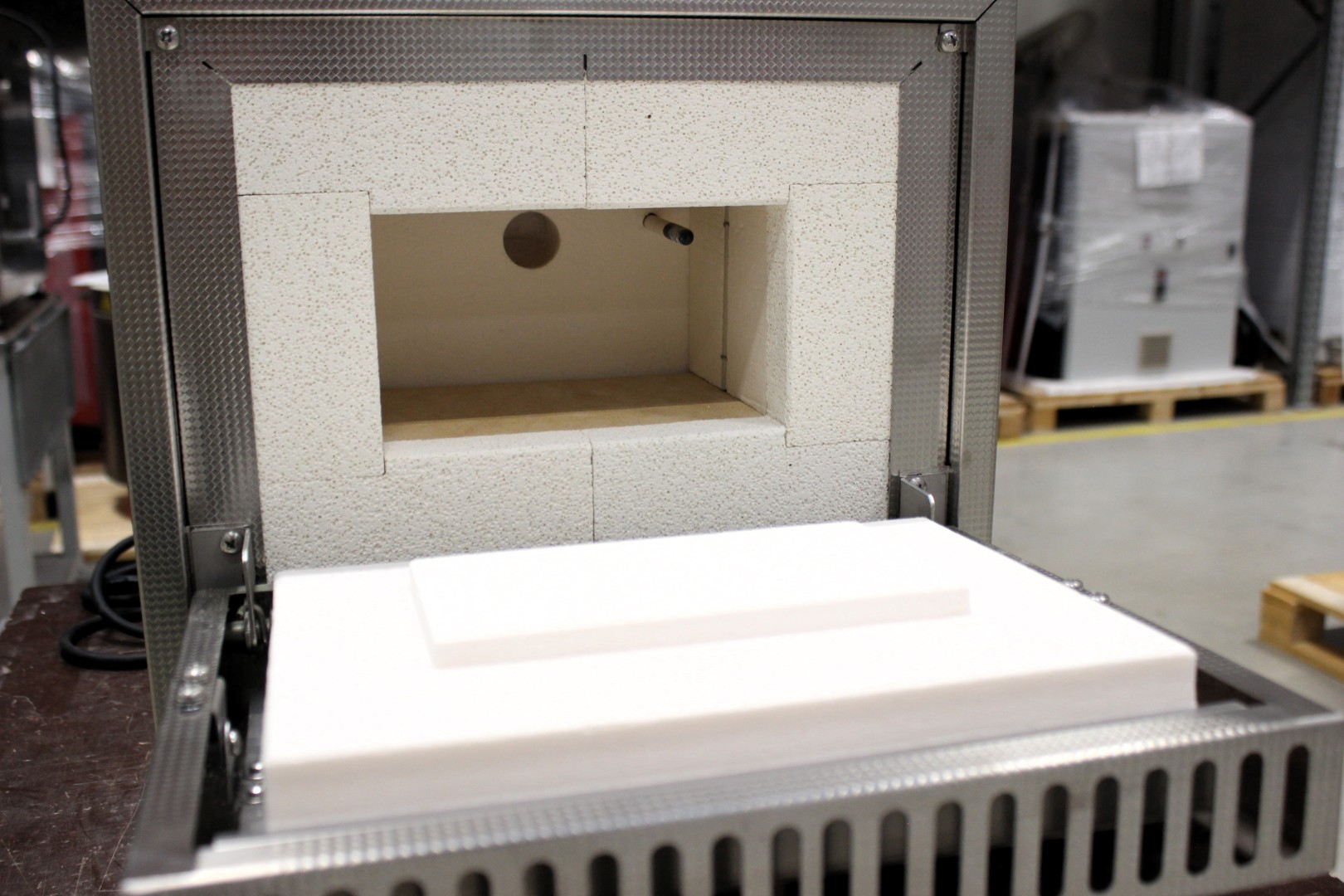
If you need to reach a particular temperature within a precisely defined time, checking the rated power and Tmax is not enough. The complete process, including the load, must be assessed.
How should you choose a furnace for the required temperature?
Use the following procedure for an initial selection:
- Determine the lowest and highest operating temperatures.
- Describe the complete temperature cycle, including all holds.
- State how frequently the furnace will operate.
- Specify the size, weight and material of the load.
- Check the recommended working temperature range of the particular model.
- Consider the furnace construction and any substances released by the sample.
- If the sample temperature itself is critical, define how it will be verified.
Only then does it make sense to compare chamber volume, rated power, controller options and other equipment.
Examples of initial decision-making
I need to operate at 1,100 °C for prolonged periods
Do not automatically select a furnace with a Tmax of 1,100 °C. Look for a model whose recommended working temperature range includes this temperature and whose construction is suitable for the material and any fumes generated.
I occasionally need to reach 1,200 °C for a short time
A short holding time does not automatically make every furnace with a Tmax of 1,200 °C suitable. The complete cycle, frequency of use and specific furnace construction must still be assessed.
I need to operate between 300 and 1,100 °C
State both limits. A furnace suitable for the upper end of the range may not provide the most appropriate conditions for regular processes at its lower end.
I need the sample itself to be exactly 800 °C
You must distinguish between the temperature measured by the control thermocouple and the temperature of the sample itself. Depending on the required accuracy, additional measurement or practical verification of the cycle may be necessary.
Frequently asked questions
Can a furnace operate at Tmax for a short time?
It depends on the particular model and process conditions. Tmax is the maximum temperature of the equipment, but the datasheet may restrict prolonged operation to a lower value. Always follow the manufacturer’s current technical documentation.
How large a temperature margin should I allow?
There is no single universal value. The difference between Tmax and the recommended or continuous operating temperature varies between furnace series. The datasheet for the specific model is decisive.
Does the number after the slash indicate the operating temperature?
No. In LAC furnace model designations, it generally represents the abbreviated maximum temperature. For example, /12 corresponds to a Tmax of 1,200 °C. The recommended operating temperature may be lower.
Is a higher Tmax always an advantage?
No. The furnace should match the temperature range and nature of the process. A higher maximum temperature does not in itself guarantee more suitable control, better temperature distribution or greater resistance to substances released by the sample.
Why has the sample not reached the required temperature when the controller already displays it?
The controller displays the temperature measured by the thermocouple at a particular point in the furnace. Depending on its weight, material, dimensions and position, the sample may heat more slowly.
What information does LAC need to recommend a suitable furnace?
For an initial assessment, provide the required operating temperature, a brief description of the cycle, frequency of use and basic information about the sample. Its dimensions, weight and any substances released during heating are also important.
Maximum temperature is only the beginning
Tmax helps you eliminate furnaces that cannot reach the required temperature at all. On its own, however, it is not enough to identify suitable equipment.
What matters is whether the required temperature falls within the working range of the particular model and whether the furnace can complete the entire cycle with your actual load.
This is why we need to know not only the highest temperature but also the holding time, frequency of operation and process conditions.
Explore LAC laboratory furnaces
Compare laboratory furnaces for different operating temperatures, load sizes and thermal processes.
👉 Explore laboratory furnaces in the LAC e-shop
👉 View the complete range of LAC laboratory furnaces and dryers
Need help selecting the right temperature range?
Send us your required temperature cycle and basic information about the sample. LAC specialists will check the appropriate working range and help you select a furnace that will not have to operate at the limit of its capabilities.
What to remember
Tmax tells you the highest temperature the furnace is designed to reach. It does not define the appropriate temperature for regular operation.
Choose the furnace according to its published working range, the complete temperature cycle, frequency of use and behaviour of the actual load.